
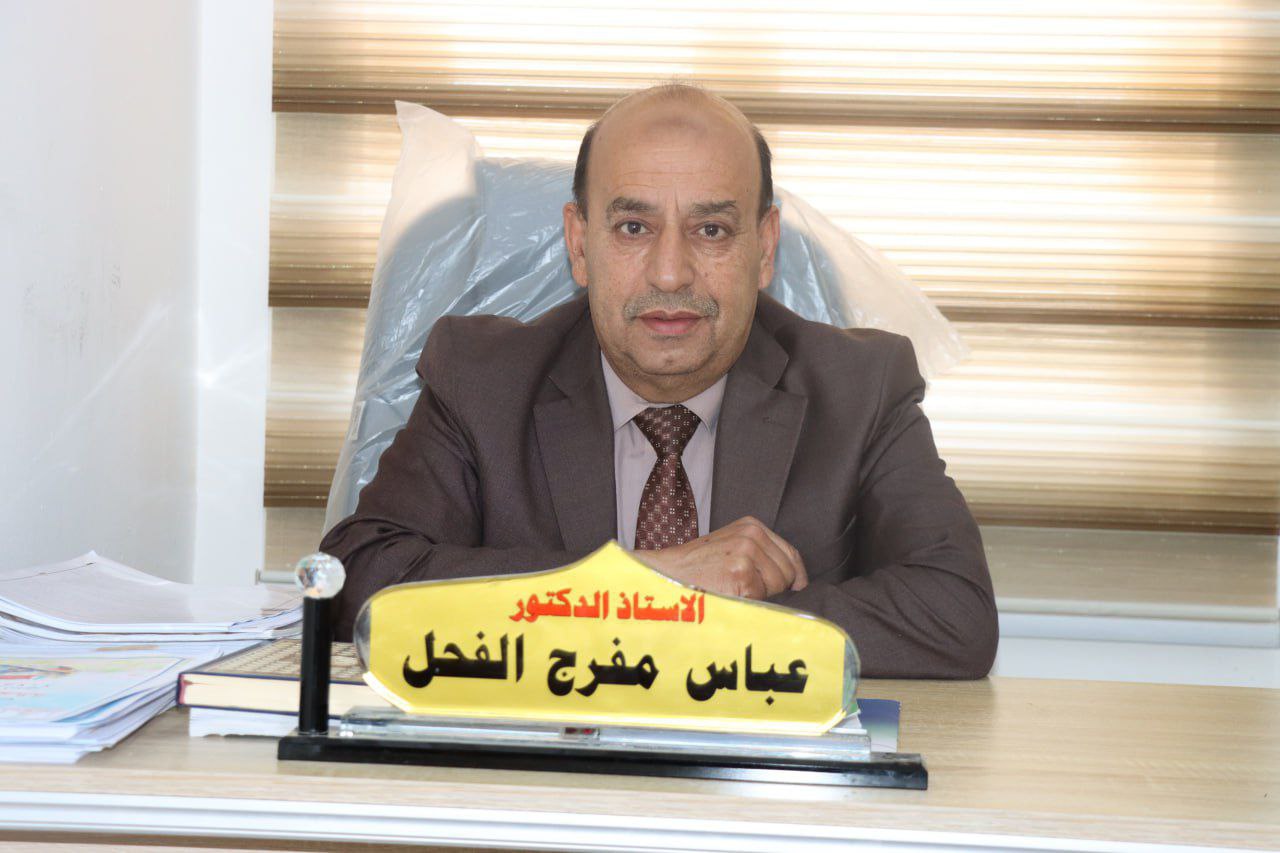
Scientific Article
International Workers’ Day, observed on Friday, May 1, 2026, should represent a distinctive occasion in Iraq, as it concerns a significant segment of society. It is therefore expected that all members of society express their appreciation and joy on this day, particularly toward this essential group of Iraqi workers.
However, in practice, it is observed that non-working employees in various government institutions are granted official leave, whereas such a privilege should primarily be dedicated to workers themselves. Conversely, bakery workers and restaurant employees continue working tirelessly, day and night, as the nature of their livelihood compels them to maintain continuous labor in order to secure a basic income for their families.
This situation stands in contrast to what ought to occur—namely, recognizing these workers through appreciation, rewards, and symbolic gestures such as gifts and flowers, in acknowledgment of their vital role in sustaining the daily needs of Iraqi citizens.
The state, therefore, should enact and enforce legislation that guarantees workers’ rights on par with those employed in public sector institutions.
It is noteworthy that the Iraqi legislator has indeed enacted several legal provisions. Law No. (37) of 2015, currently in force, represents a well-drafted and advanced legal framework. Nevertheless, regrettably, these provisions remain largely unimplemented, existing merely as ink on paper.
For instance, Article (H) of the law stipulates that workers are entitled to recognition of their service duration, which should be counted as actual service for the purposes of salary determination and pension eligibility when employed in public sector institutions.
Furthermore, Article (7) establishes that the minimum legal working age in Iraq is (15) years. In addition, Article (1), Paragraph (21), defines individuals under the age of (15) as children. Despite this, a considerable number of workers fall below this legal age, constituting a clear violation of the law, and exposing them to various forms of exploitation and abuse.
The injustice faced by Iraqi workers can largely be attributed to the lack of enforcement of existing legal provisions. Among the primary causes are:
- The scarcity of employment opportunities.
- Workers’ lack of awareness regarding their legal rights.
- Employers’ reluctance to fully grant workers their entitled rights.
Accordingly, workers are expected to take certain measures, including:
- Paying regular (monthly or annual) social security contributions to ensure their employment is formally recognized.
- Employers must transfer these contributions to the relevant governmental authority to secure workers’ rights, particularly in cases of workplace injury or upon reaching the retirement age of (60) years, at which point the worker becomes eligible for a pension provided by the social security institution rather than the employer.
In conclusion, ensuring the enforcement of these rights would provide justice to this marginalized group, enabling them to live with dignity within a state that upholds a robust legal system.